

Autologous PRP wound gel prepared at the point-of-care.
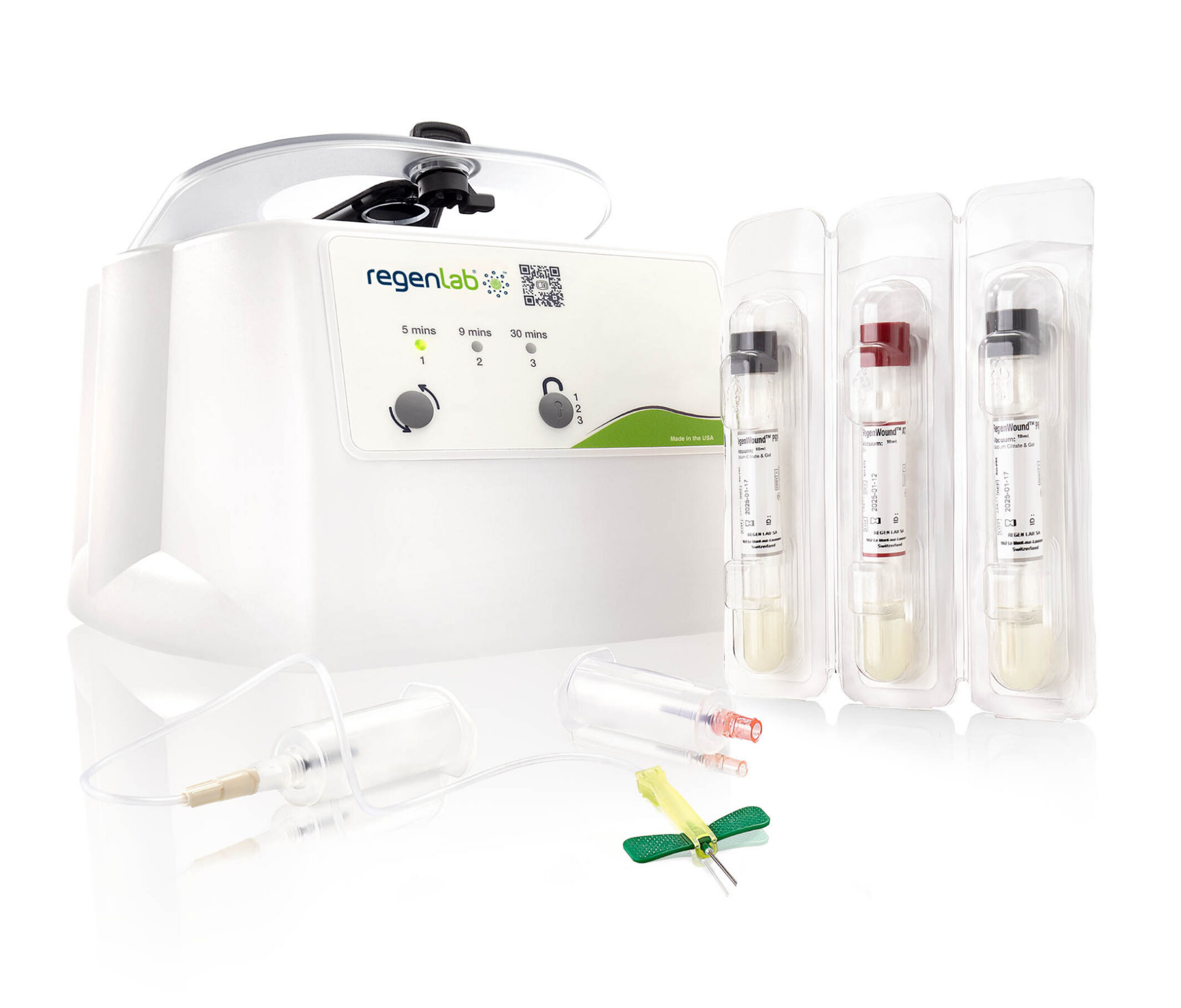
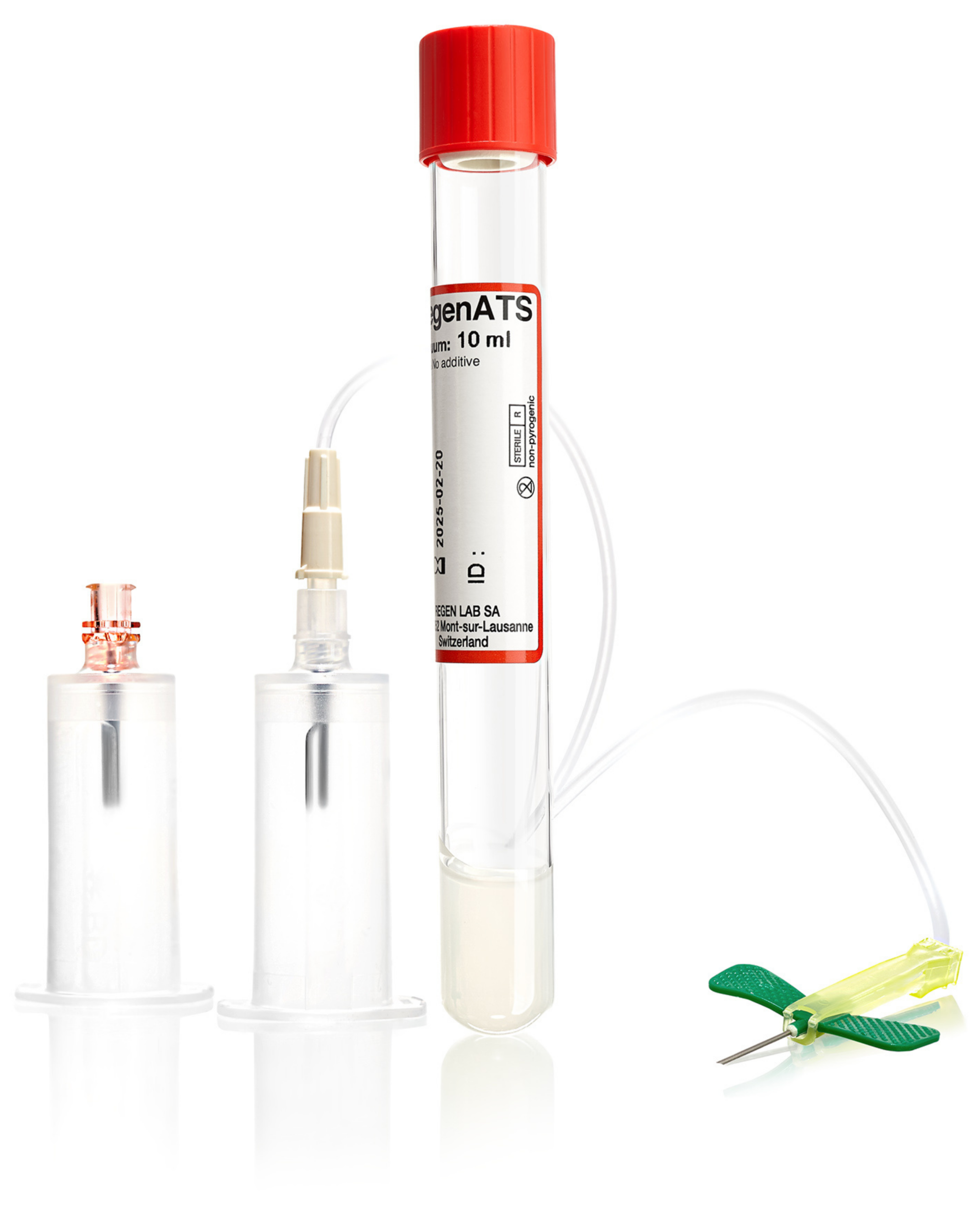
RegenKit®–Wound Gel supports point-of-care preparation of autologous PRP with a focus on controlled composition—delivering key biological components while reducing elements that may contribute to a disrupted wound environment.
99.7%
RED BLOOD CELL REDUCTION
30mL
SINGLE BLOOD DRAW VOLUME
~15min
POINT-OF-CARE PREPARATION
Not All PRP is the Same
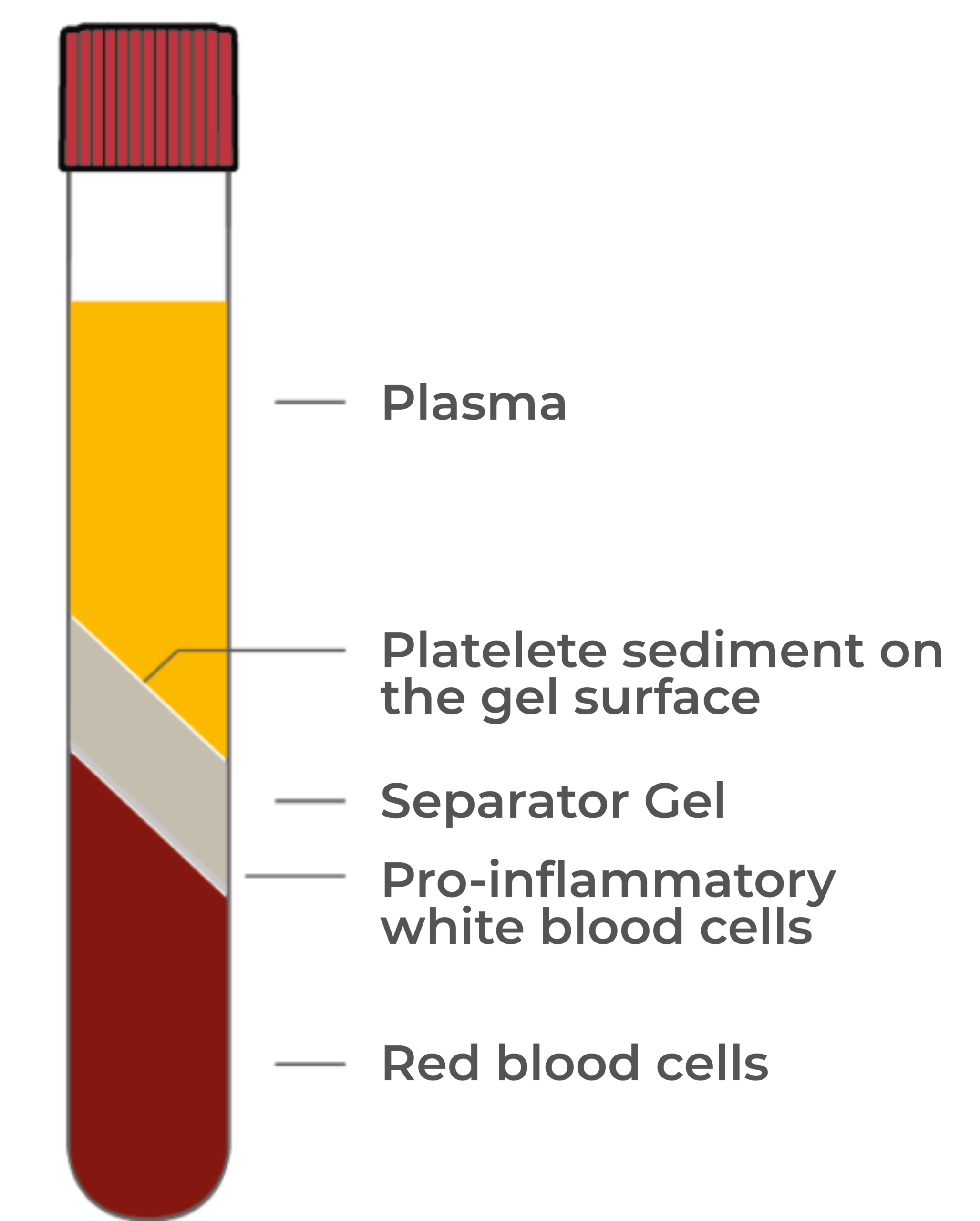
PRP systems vary widely in platelet concentration, leukocyte content, red blood cell presence, and preparation methods. In chronic wounds—where inflammation is already dysregulated—composition matters.
In an already inflamed wound environment, introducing unnecessary inflammatory components may not support an optimal healing environment. The cellular profile of PRP matters.
When Healing Stalls, the Environment Matters
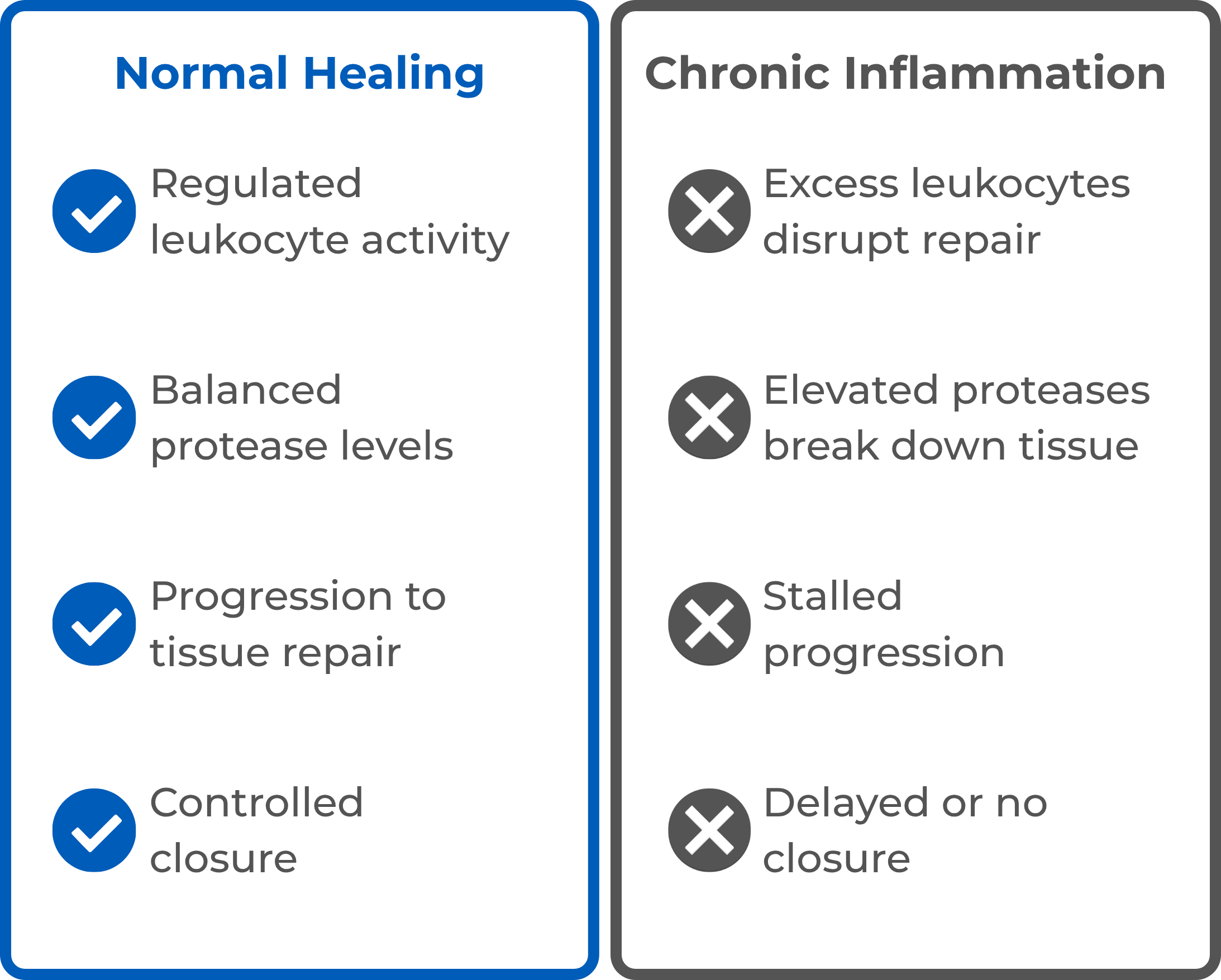
Chronic wounds are often characterized by prolonged, dysregulated inflammation that disrupts normal healing progression. Understanding this environment is key to choosing the right intervention.
Normal vs. Chronic Inflammation
In healthy tissue repair, leukocyte activity and protease levels are regulated and temporary. In chronic wounds, these become persistently elevated — breaking down tissue and blocking progression toward closure.
High Platelet Recovery
Supports delivery of platelets associated with signaling and tissue repair
99.7% Reduction in Red Blood Cells
Designed to minimize elements associated with oxidative stress and prolonged inflammation
Controlled Cellular Profile
Supports consistency in PRP composition
Designed to Reduce Unnecessary Inflammatory Burden
Avoids introducing excess inflammatory components into an already inflamed environment
Fibrin Gel Scaffold Formation
Creates an autologous gel scaffold to help retain biological components at the wound site.
Rapid Point-of-Care Preparation
~30 mL draw | ~5-minute centrifugation | ~10-minute coagulation
Reimbursement and Access
RegenKit–Wound Gel is supported by established reimbursement pathways that may help enable integration into clinical workflows across care settings.
Important considerations: coverage varies by payer and site of care, documentation and medical necessity requirements apply, and reimbursement policies may vary by MAC and geographic region.
G0465
Chronic diabetic wounds
G0460
Chronic non-diabetic wounds*
Contact your MIMEDX representative to learn more about reimbursement support, coverage considerations, operational integration, product access, and pricing.
*Per MAC determination and coverage criteria
Ready to Learn More About RegenKit–Wound Gel?
Contact a MIMEDX representative or request additional information to learn how RegenKit–Wound Gel may support your approach to managing chronic wounds.