
Applications in General and Colorectal Surgery

Advanced Placental Allografts When Patients Are in Need
There are many risk factors to healing such as patient co-morbidities and complex wounds.1 MIMEDX offers an array of advanced placental allografts that may be used as a protective barrier on wounds and exposed tissues in a variety of surgical applications to provide valuable benefits in patient care.
Clinical Use Examples in Surgeons’ Practices
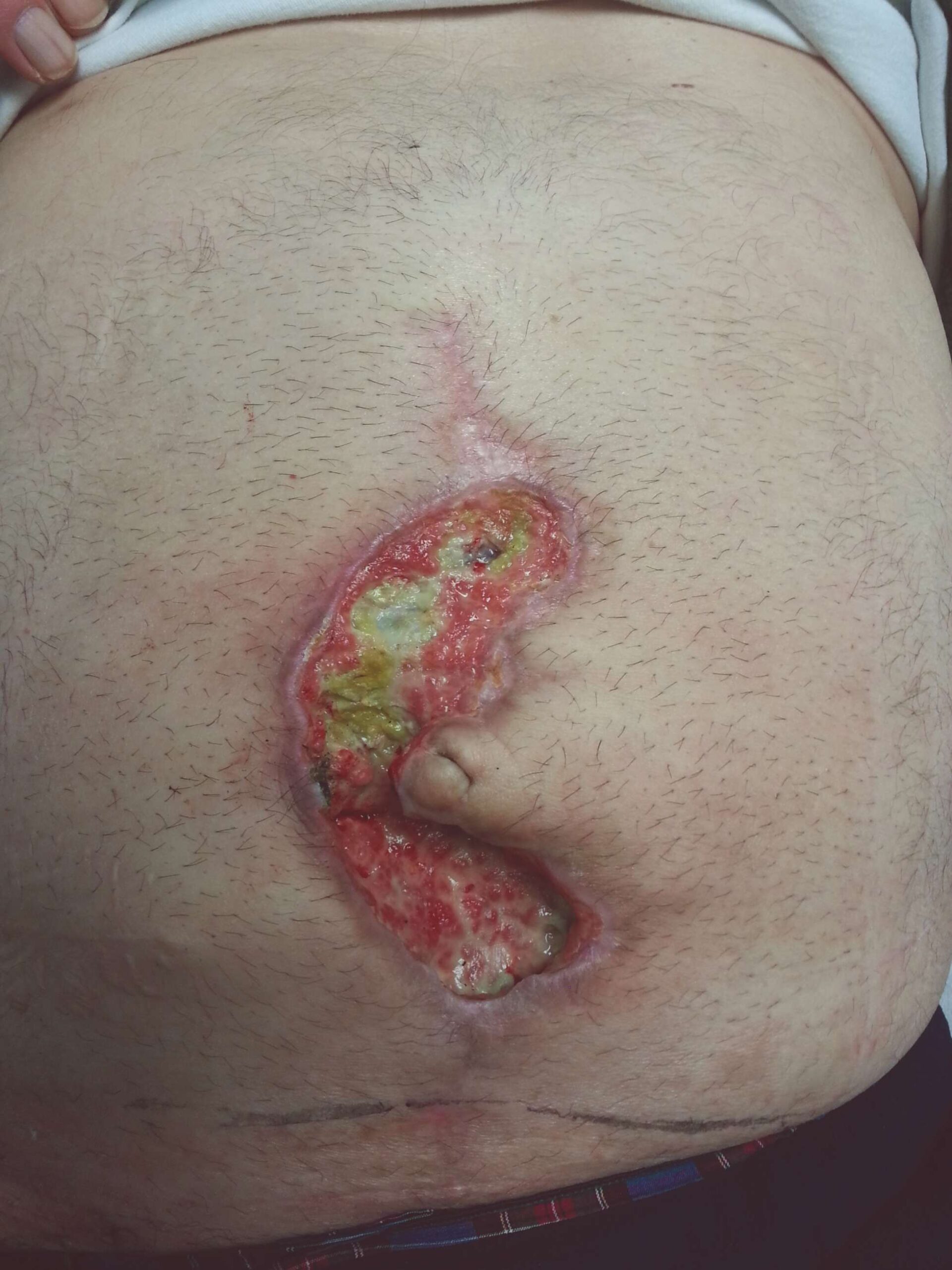
WITH EPIFIX®
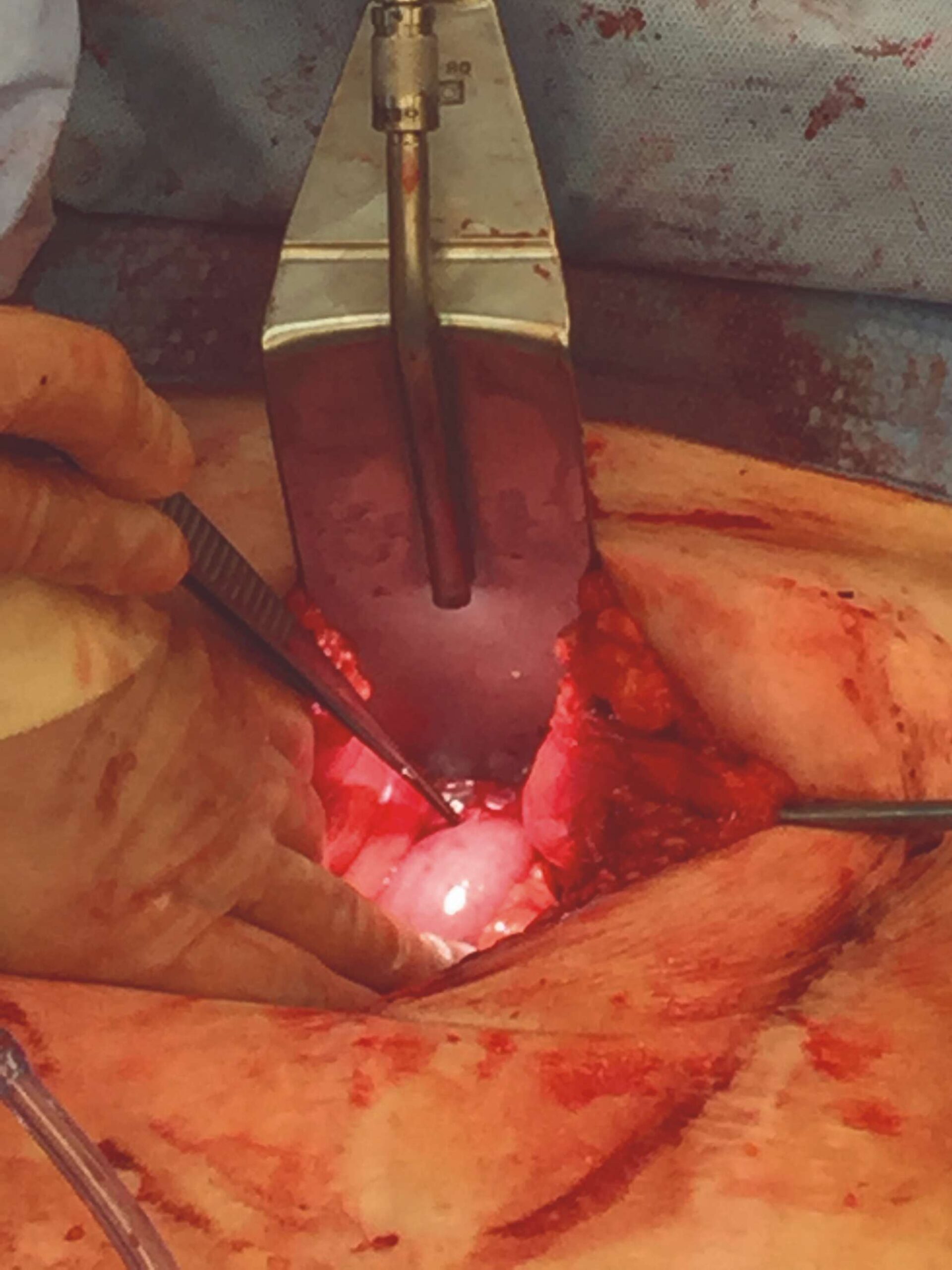
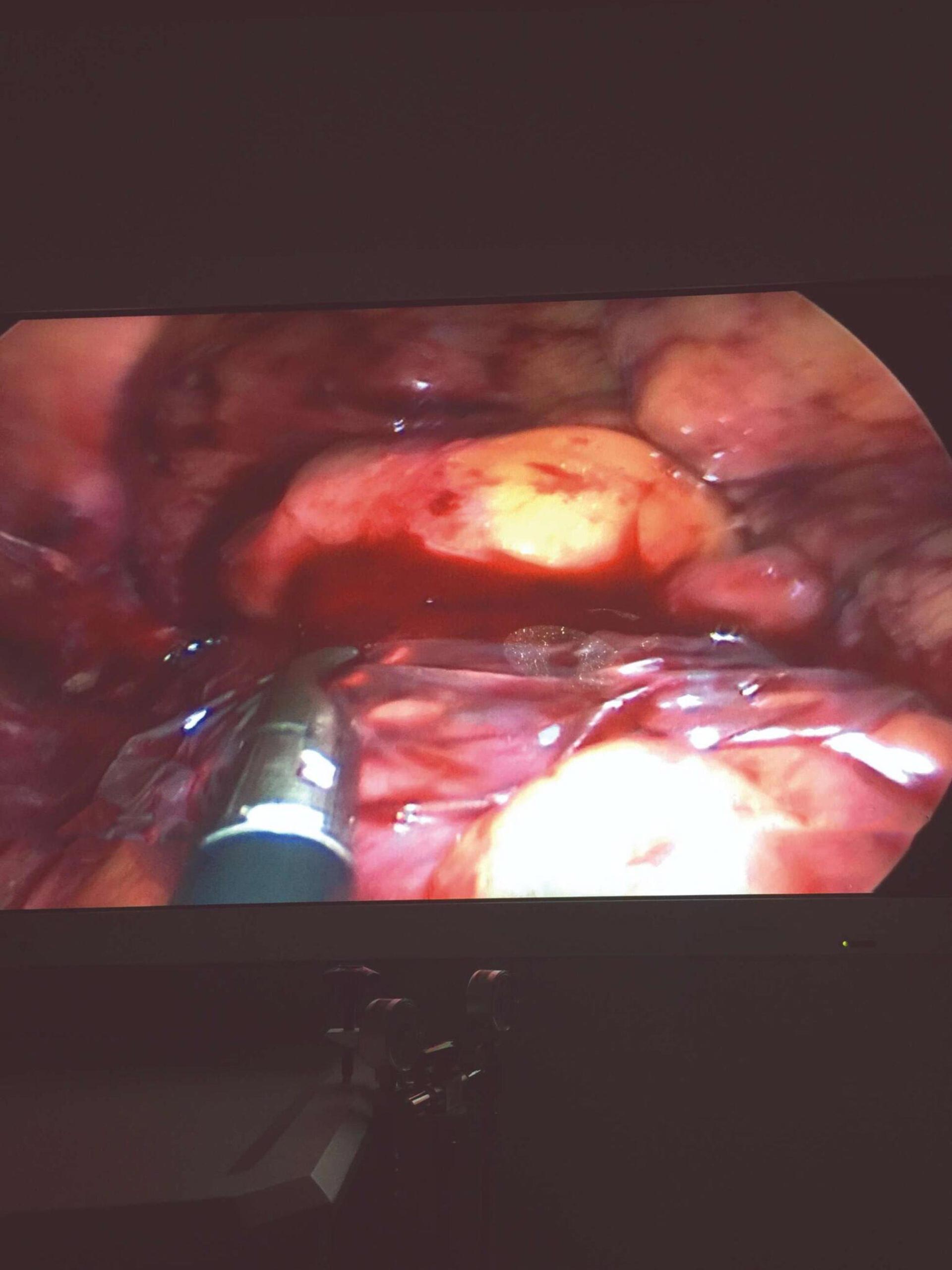
COLOSTOMY REVERSAL WITH AMNIOFIX
Product Advantages: AMNIOEFFECT®,
AMNIOFIX®, and AMNIOCORD®
- Provide a protective barrier on wounds and thereby support development of granulation tissue and the healing process
- Terminally sterilized for additional level of safety
- AMNIOFIX & AMNIOEFFECT: PURION® process preserves Extracellular Matrix (ECM) components, including 300+ regulatory proteins2,3
- AMNIOCORD: PURION process preserves ECM components, including 250+ regulatory proteins4
AXIOFILL®
- A lyophilized, biocompatible, and human extracellular matrix derived from the placental disc
- For use in the replacement or supplementation of damaged or inadequate integumental tissue
- Versatile and easy to use: apply dry or hydrated as a paste
- Provides a scaffold that structurally permits cellular ingrowth, an important step in the replacement or supplementation of damaged or inadequate integumental tissue5
MIMEDX products have been used as an onlay allograft to cover and protect exposed tissue in a variety of wounds, including:
- Debridement/ Dehiscence
- Complex soft tissue defects
- Complex incision management
- Split-Thickness Skin Graft (STSG)
- Low anterior resection
- Colostomy reversal
- Fistulotomy acute wounds
- Amputations
Case Studies and Clinical Evidence:
How Physicians Use Our Products
Case study 1
Acute Abdominal Wall Dehiscence with EPIFIX as a protective Barrier6
Challenge
A 62-year-old obese male, BMI of 29, type II diabetes, with a history of hypertension, myocardial infarction with stent placements, multiple abdominal surgeries, and over 40 years of cigarette smoking, underwent large ventral hernia repair. At one week post-op, the patient developed ischemia at the incision line, which led to an incisional dehiscence.
Studies have shown a direct correlation between the number of comorbidities and clinical outcomes. A significant rise in complications, length of stay, and mortality rates is associated with the rise in number of patient comorbidities.7-9
Surgical Intervention
The patient was managed with serial debridement and wet-to-dry dressings for two months, then placed on negative pressure wound therapy (NPWT) for four weeks at home. After one month of NPWT, the wound had only decreased by 30%. NPWT was discontinued, and EPIFIX was applied every other week, instead of weekly, due to the travel distance for the patient.
Follow-Up
Upon examination at his two month EPIFIX follow-up visit, the wound was fully closed and re-epithelialized. The patient returned for a routine one-year visit and has remained fully closed and asymptomatic.
 Following Debridement Following Debridement |
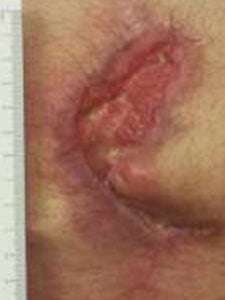 Four weeks of NPWT, only 30% size reduction, first EPIFIX 4 cm x 4 cm applied Four weeks of NPWT, only 30% size reduction, first EPIFIX 4 cm x 4 cm applied |
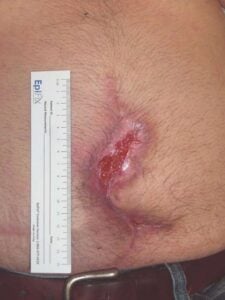 Week 2: Two 2 cm x Week 2: Two 2 cm x3 cm EPIFIX applied |
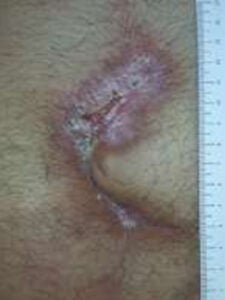 Week 4: One 2 cm x 3 cm EPIFIX applied Week 4: One 2 cm x 3 cm EPIFIX applied |
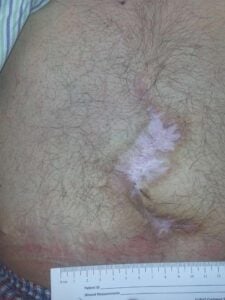 Week 8: Wound closed and stable Week 8: Wound closed and stable |
Case study 2
Colostomy Reversal with AMNIOFIX10
Challenge
A 68-year-old male underwent an emergency Hartmann’s procedure with a rectosigmoidectomy and end colostomy with a rectal pouch, due to a perforation of the sigmoid colon from acute diverticulitis. Though wound healing in elderly people is not necessarily impaired, age-related changes are evident. Comorbidities, which are associated with impaired healing, are more prevalent in older patient populations and can delay healing by 20-60%.11 Anastomotic leakage is the most common and much-feared intraoperative complication in colostomy reversal.12,13 One study showed the anastomotic leakage rate at as high as 3.8%.14 In addition to anastomotic leakage, other common postoperative complications include wound infection, incisional hernia, ileus, and enteric fistula formation.12,13
Surgical Intervention
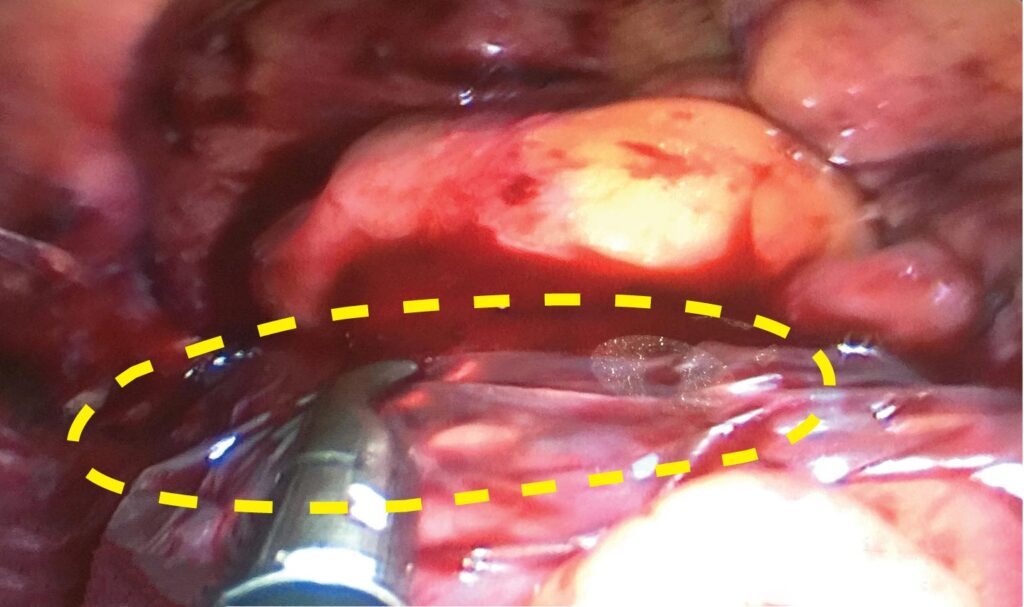
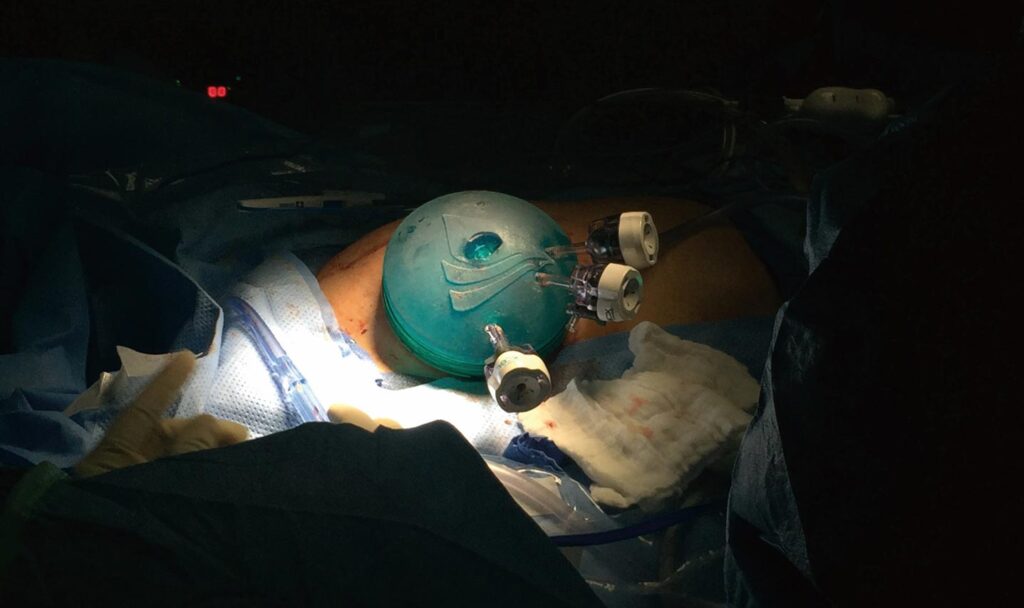
Five months later, when the patient’s overall condition improved, a colostomy reversal using a single-port laparoscopic technique with AMNIOFIX was performed. A 2 cm x 6 cm AMNIOFIX graft was placed laparoscopically as a protective barrier on the colorectal anastomotic stapled site and was stitched into place with absorbable sutures.
Follow-Up
The patient was seen two weeks after the surgery with no postoperative complications. The patient was having normal bowel movements daily.
 Single port laparoscopic approach |
 2 cm x 6 cm AMNIOFIX placed on anastomosis 2 cm x 6 cm AMNIOFIX placed on anastomosis |
Resources
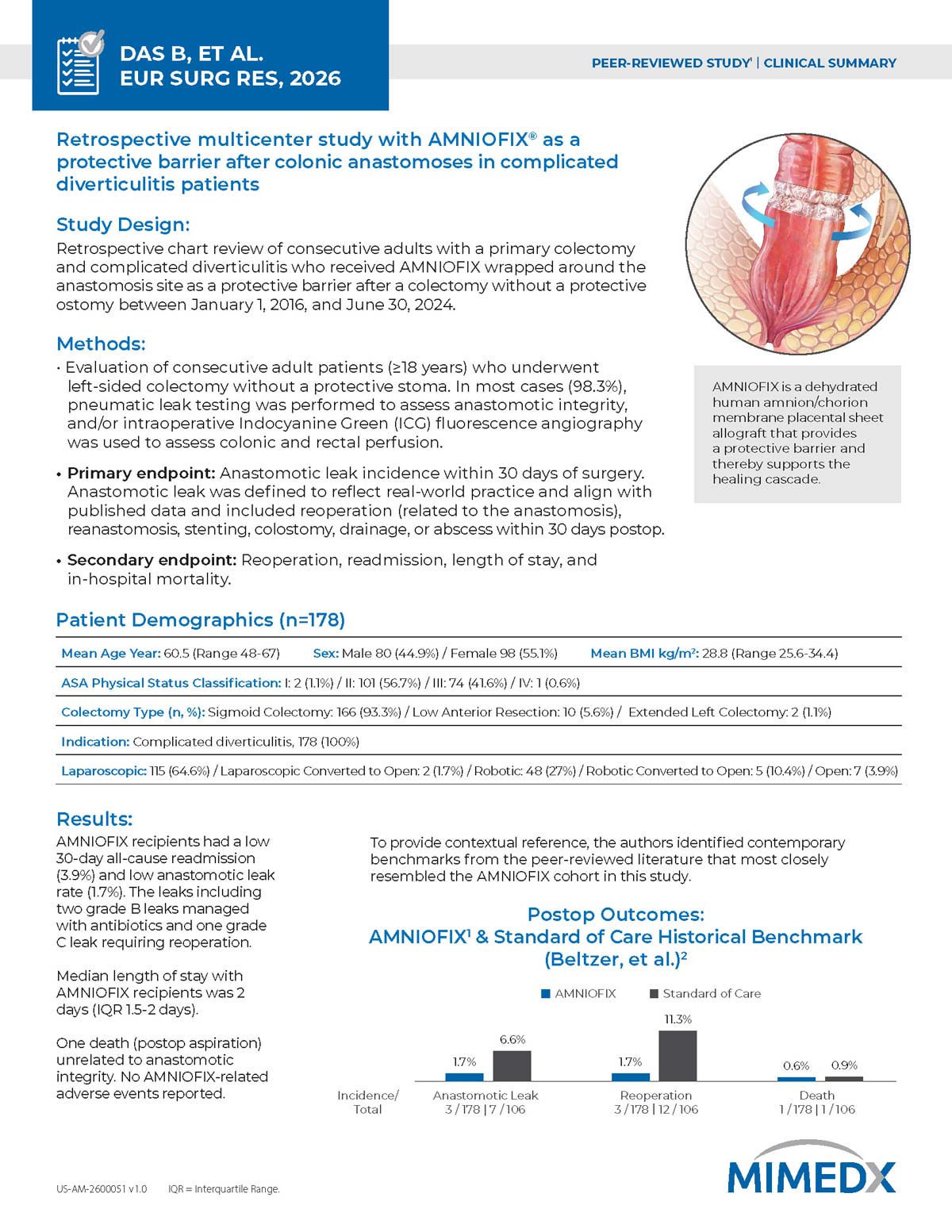
Clinical Summary: Colorectal Diverticulitis Publication
References
- Atkin L, Bućko Z, Conde Montero E, et al. Implementing TIMERS: the race against hard-to-heal wounds. J Wound Care. 2019;23(Sup3a):S1-S50.
- Moreno S, Massee M, Campbell S, Bara H, Koob TJ, Harper JR. PURION® processed human amnion chorion membrane allografts retain material and biological properties supportive of soft tissue repair. J Biomater Appl. 2024;39(1):24-39.
- MIMEDX Internal Report. MM-RD-00086, Proteome Characterization of PURION Processed Dehydrated Human Amnion Chorion Membrane (dHACM) and PURION PLUS Processed Dehydrated Human Umbilical Cord (dHUC) Allografts.
- Bullard JD, Lei J, Lim JJ, Massee M, Fallon AM, Koob TJ. Evaluation of dehydrated human umbilical cord biological properties for wound care and soft tissue healing. J Biomed Mater Res B Appl Biomater. 2019;107(4):1035-1046.
- MIMEDX Internal Report. MM-RD-00113, Non-GLP Evaluation of Placental Based Products for Cellular Response in a Mouse Subcutaneous Implant.
- John Ko, MD, PhD, FACS, Plastic Surgery, Elmhurst, NY.
- Thombs BD, Singh VA, Halonen J, Diallo A, Milner SM. The effects of preexisting medical comorbidities on mortality and length of hospital stay in acute burn injury: evidence from a national sample of 31,338 adult patients. Ann Surg. 2007;245(4):629-634.
- Myles PS, Iacono GA, Hunt JO, et al. Risk of respiratory complications and wound infection in patients undergoing ambulatory surgery: smokers versus nonsmokers. Anesthesiology. 2002;97(4):842-847.
- Dunne JR, Malone DL, Tracy JK, Napolitano LM. Abdominal wall hernias: risk factors for infection and resource utilization. J Surg Res. 2003;111(1):78-84.
- Francis S. Lee MD, FACS, Quan Le, Christina W. Lee, General Surgery, Irvine, CA.
- Hammond J, Lim S, Wan Y, Gao X, Patkar A. The burden of gastrointestinal anastomotic leaks: an evaluation of clinical and economic outcomes. J Gastrointest Surg. 2014;18(6):1176-1185.
- Khan S, Alvi R, Awan Z, Haroon N. Morbidity of colostomy reversal. J Pak Med Assoc. 2016;66(9):1081-1083.
- Pittman DM, Smith LE. Complications of colostomy closure. Dis Colon Rectum. 1985;28(11):836-843.
- Kaiser AM, Israelit S, Klaristenfeld D, et al. Morbidity of ostomy takedown. J Gastrointest Surg. 2008;12(3):437-441.