
Immersive Debridement Training Videos
Clinically Proven. Digitally Delivered.
Introducing the first debridement virtual reality experience, now also available on video, designed to elevate your technique — grounded in real-world clinical data and built for today’s wound care challenges.
WHAT IS DEBRIDEMENT?
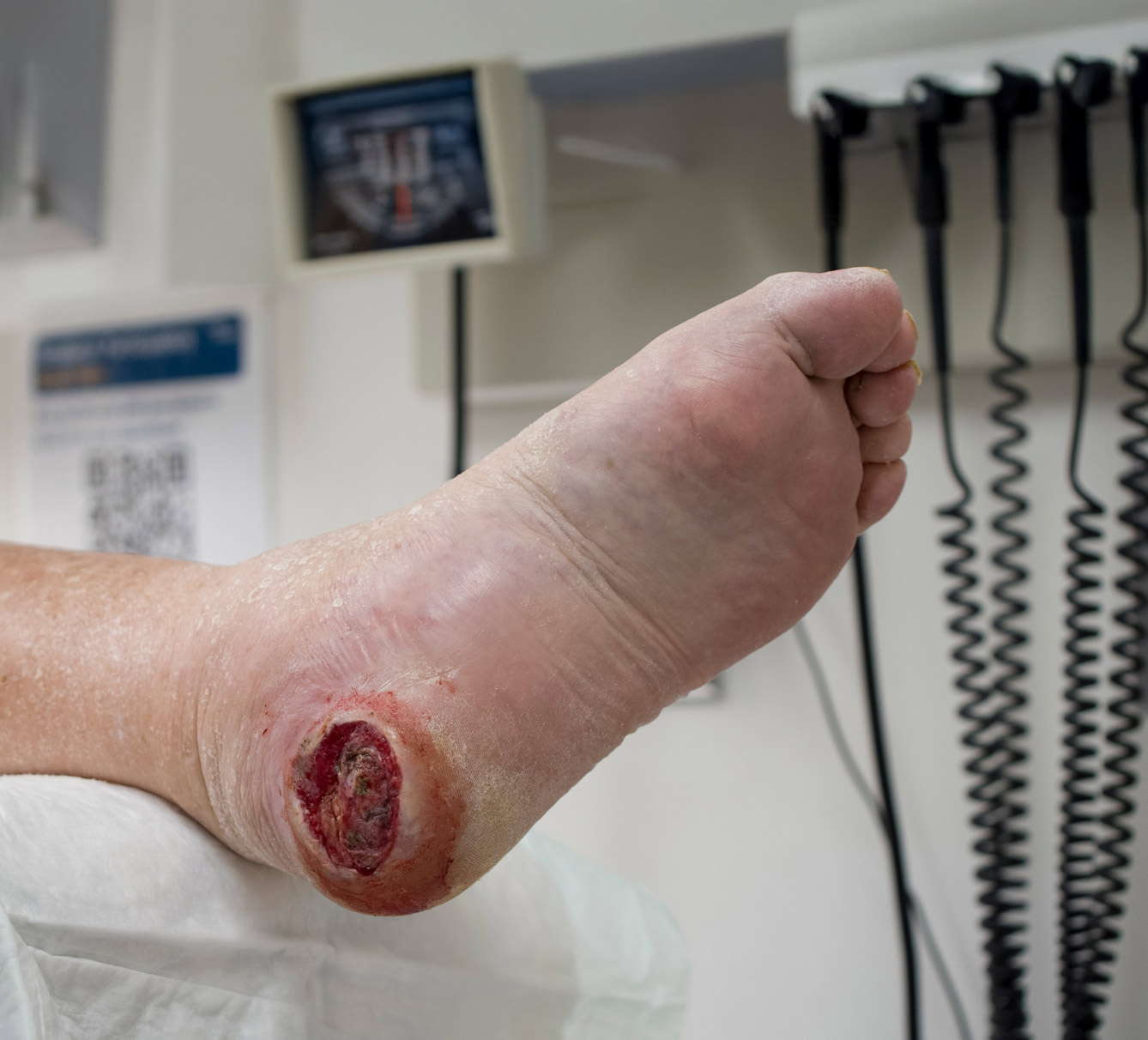
Debridement is foundational to wound healing—and yet, it’s one of the most inconsistently executed components of care. In two prospective, multicenter randomized controlled trials, the quality of debridement was the single strongest predictor of wound closure, surpassing even wound size and treatment type.¹
Clinically Proven
6x
More likely to close
Wounds that received adequate debridement were over 6x more likely to close than those inadequately debrided.¹
65%
Fewer major amputations
When DHACM was paired with weekly (1–7 day) debridement, patients experienced 65% fewer major amputations, along with 42% fewer emergency-department visits and shorter treatment episodes compared with standard of care.¹
0%
Closure with inadequate SOC
In RCTs, no DFUs closed when treated with standard care and inadequate debridement.¹
86%
Closure
DFUs treated with placental-derived allografts and adequate debridement reached 86% closure within 12 weeks, compared with 60% using standard of care (SOC).¹
Simply put, advanced treatments can’t overcome an unprepared wound. That’s why debridement isn’t just a step — it’s the foundation.
WHY VIRTUAL REALITY?
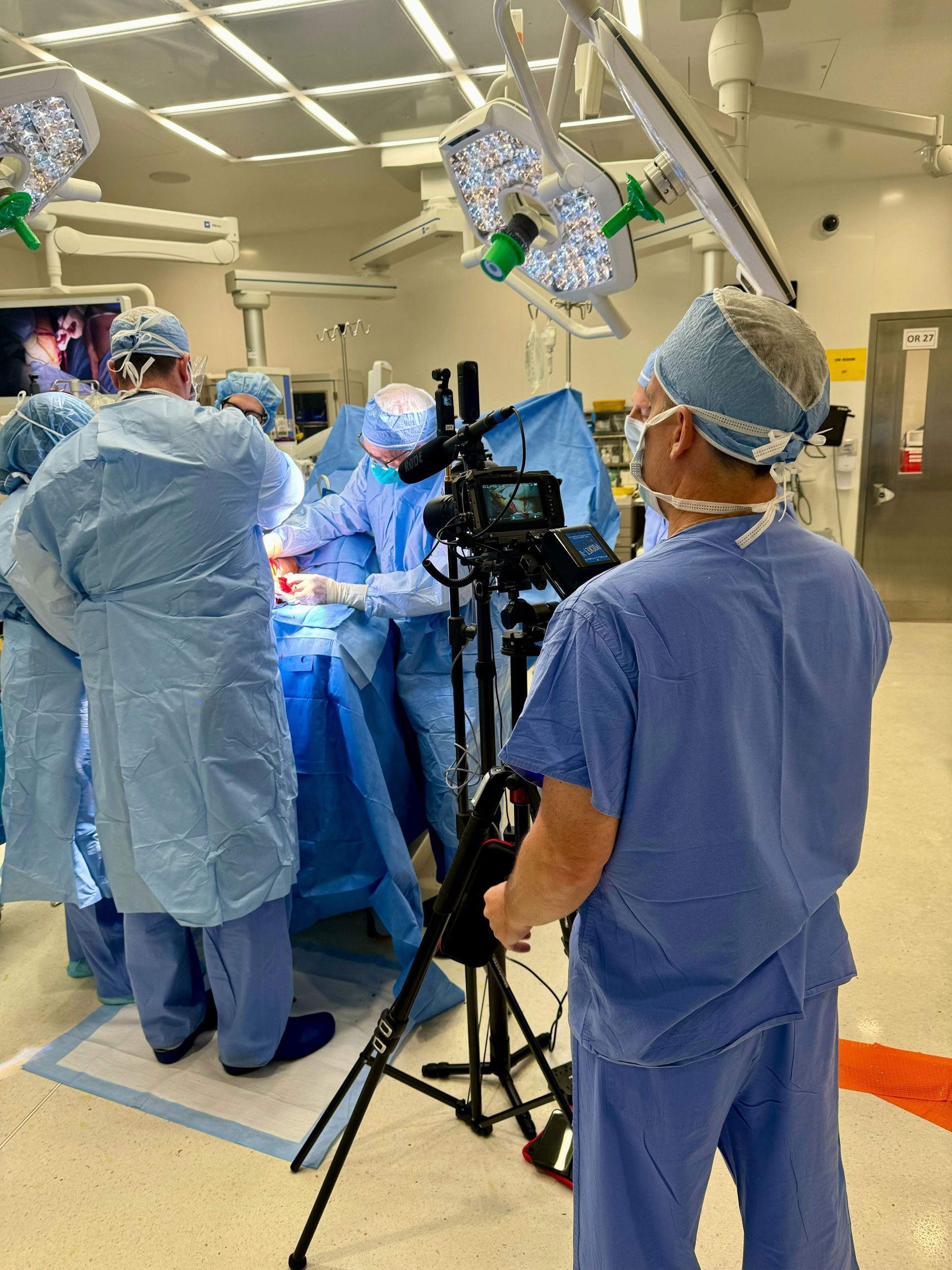
Our new interactive VR simulation, now available on video, bridges the training gap by showcasing real-world scenarios that illustrate proper wound bed preparation.
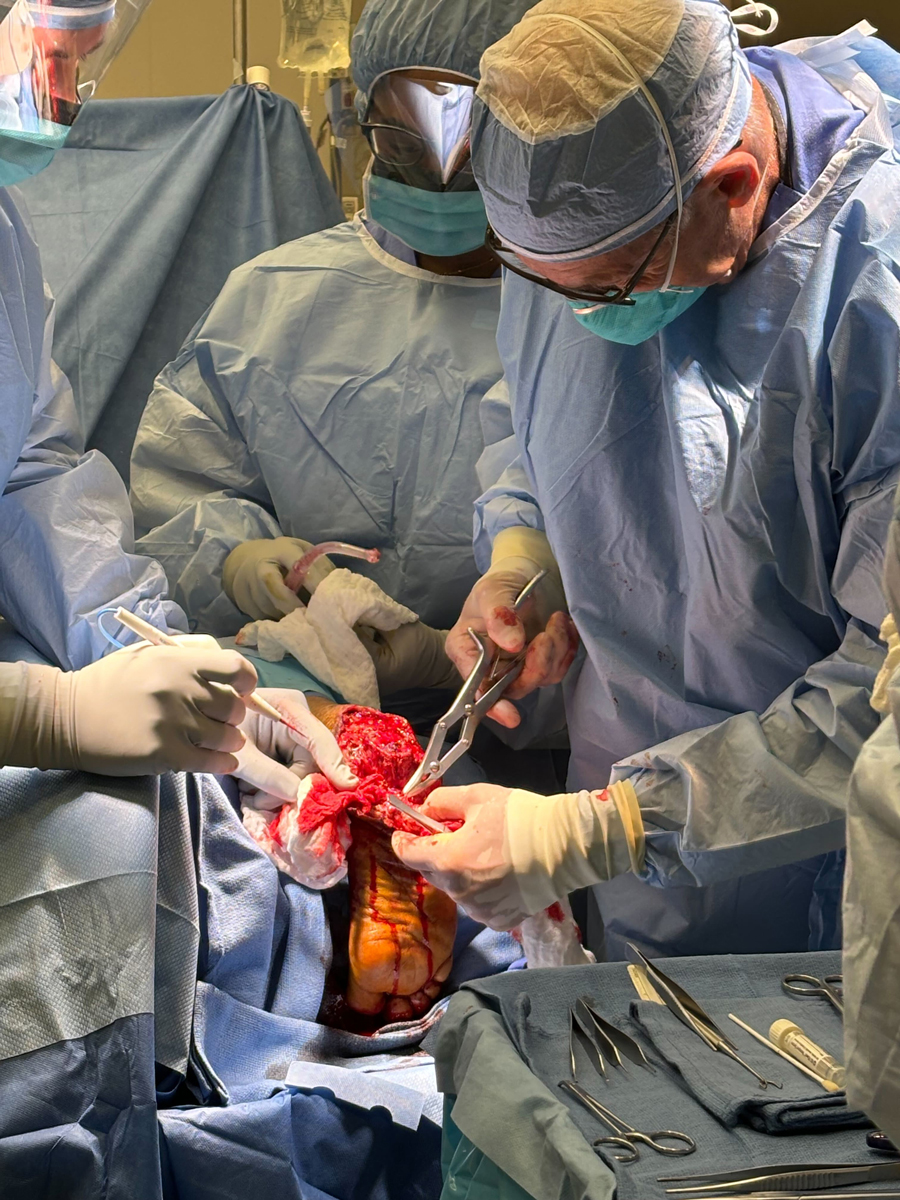
See firsthand what adequate debridement looks like, how it supports advanced tissue therapies like EPIFIX® (DHACM) and EPICORD® (DHUC), and why it’s critical for patients with hard-to-heal wounds.
ACCESS NOW
Whether you’re new to wound care or looking to sharpen your technique, this immersive video module delivers actionable insight, intuitive training, and clinical clarity.
WHY IT MATTERS
Why Debridement Before Applying Skin Substitutes Like EPIFIX and EPICORD Matters
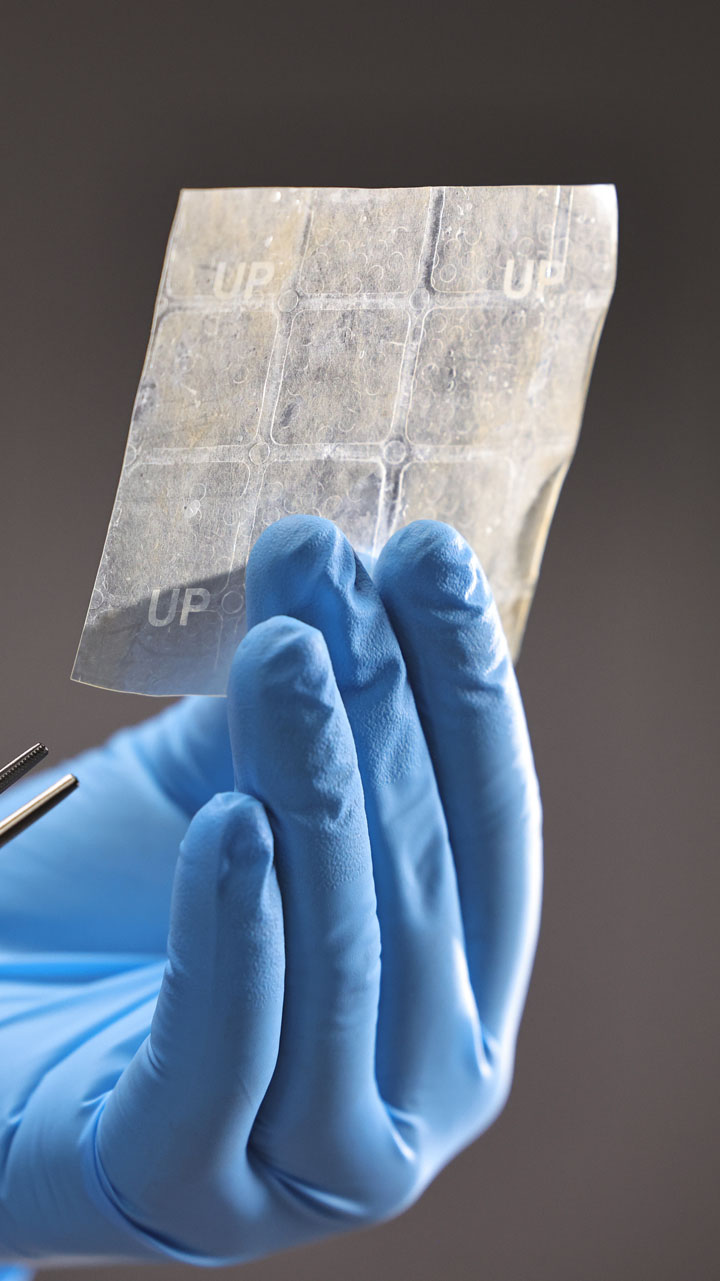
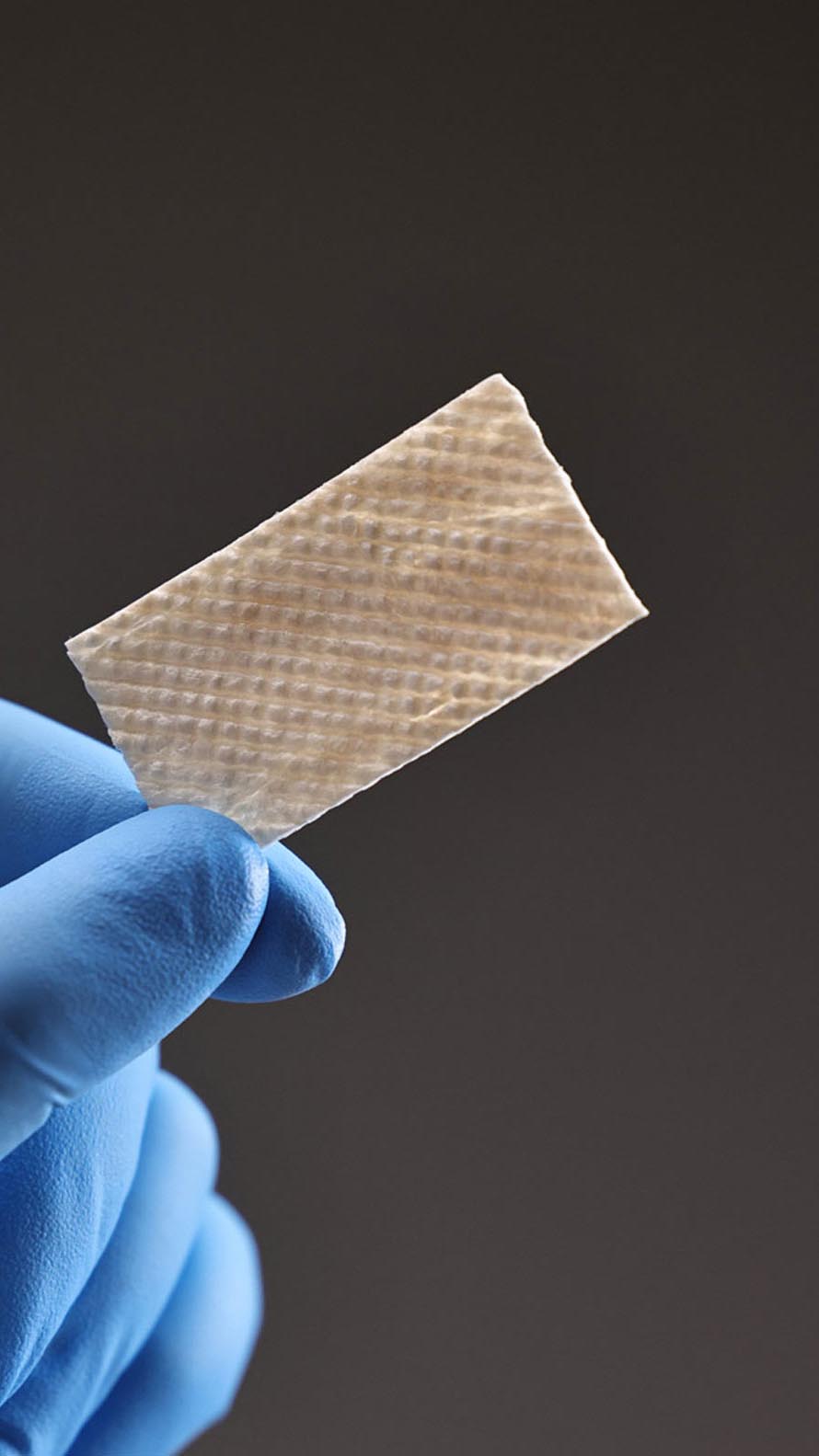
Advanced therapies such as EPIFIX (dehydrated human amnion/chorion membrane) and EPICORD (dehydrated human umbilical cord) are used as barriers to support the healing cascade in complex wounds. But efficacy depends on a properly prepared wound bed. A clean, viable wound base is essential for maximizing the impact of Placental Allografts.
01
Adequate sharp debridement reduces inflammation, eliminates non-viable tissue, and restores a favorable healing environment.²
02
It transforms chronic wounds into pseudoacute states, making them more responsive to allografts.³
03
DFUs treated with placental-derived allografts and adequate debridement reached 86% closure within 12 weeks, compared with 60% using standard of care (SOC).¹
Ready to step into the future of wound care training?
Access the VR video content, transform your technique, and improve patient outcomes — starting now.
References
- Tettelbach WH, Cazzell SM, Hubbs B, Jong JL, Forsyth RA, Reyzelman AM. The influence of adequate debridement and placental-derived allografts on diabetic foot ulcers. J Wound Care. 2022;31(Sup9):S16-S26.
2. Schultz GS, Chin GA, Moldawer L, Diegelmann RF, Fitridge R, Thompson M. Principles of wound healing. In: Mechanisms of Vascular Disease: A Reference Book for Vascular Specialists. The University of Adelaide Press; 2011:423-450.
3. Steed DL, Donohoe D, Webster MW, Lindsley L. Effect of extensive debridement and treatment on the healing of diabetic foot ulcers. Diabetic Ulcer Study Group. J Am Coll Surg. 1996;183(1):61-64.